Run 1 ·
Habit app (React Native): Opus 5.5 vs GPT-6.1 Sol
A habit app people would still open a month later, built with React Native.
Short answer: from the same prompt, Opus 5.5 took 37 min and 47% of a 5-hour limit; GPT-6.1 Sol took 18 min and 7% of a 5-hour limit. Both builds are live below, with their full source code.
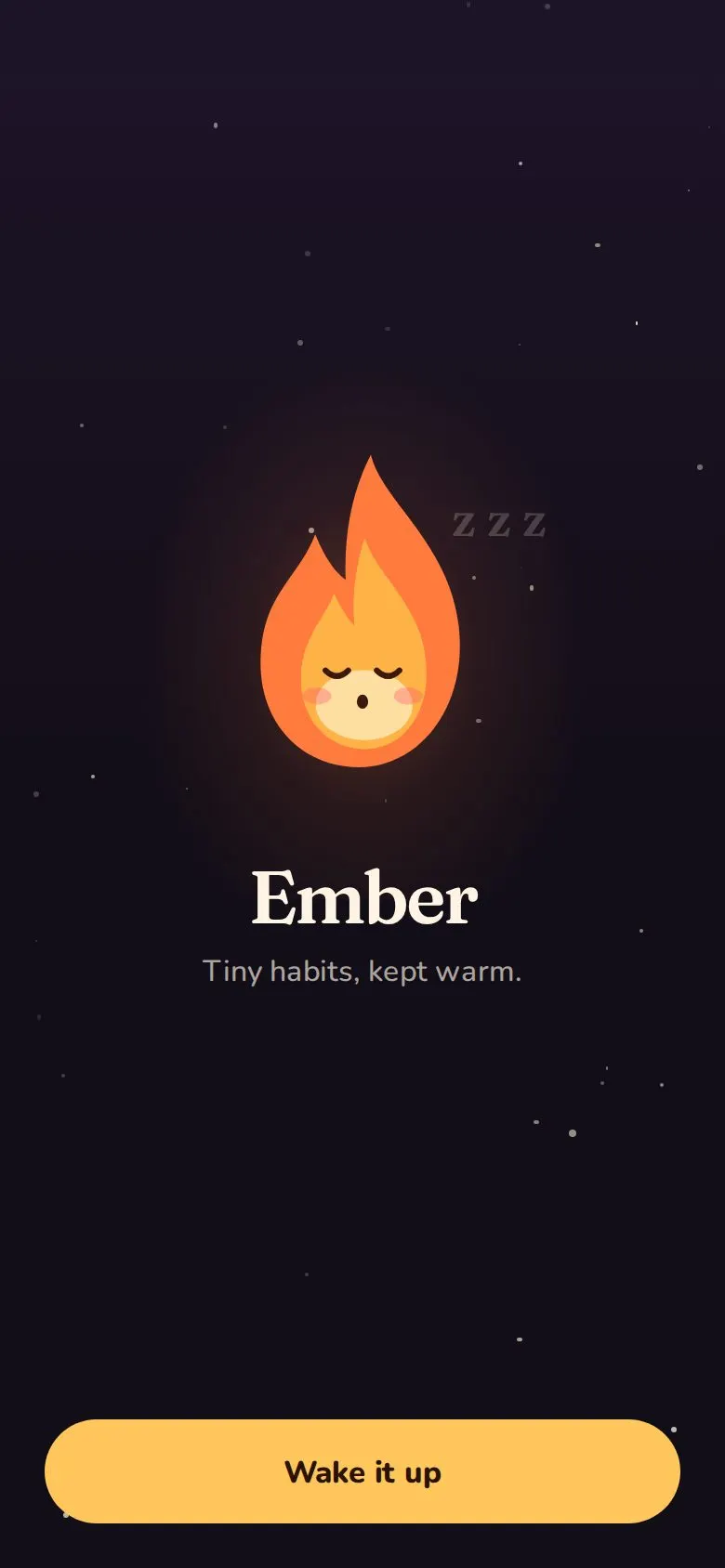
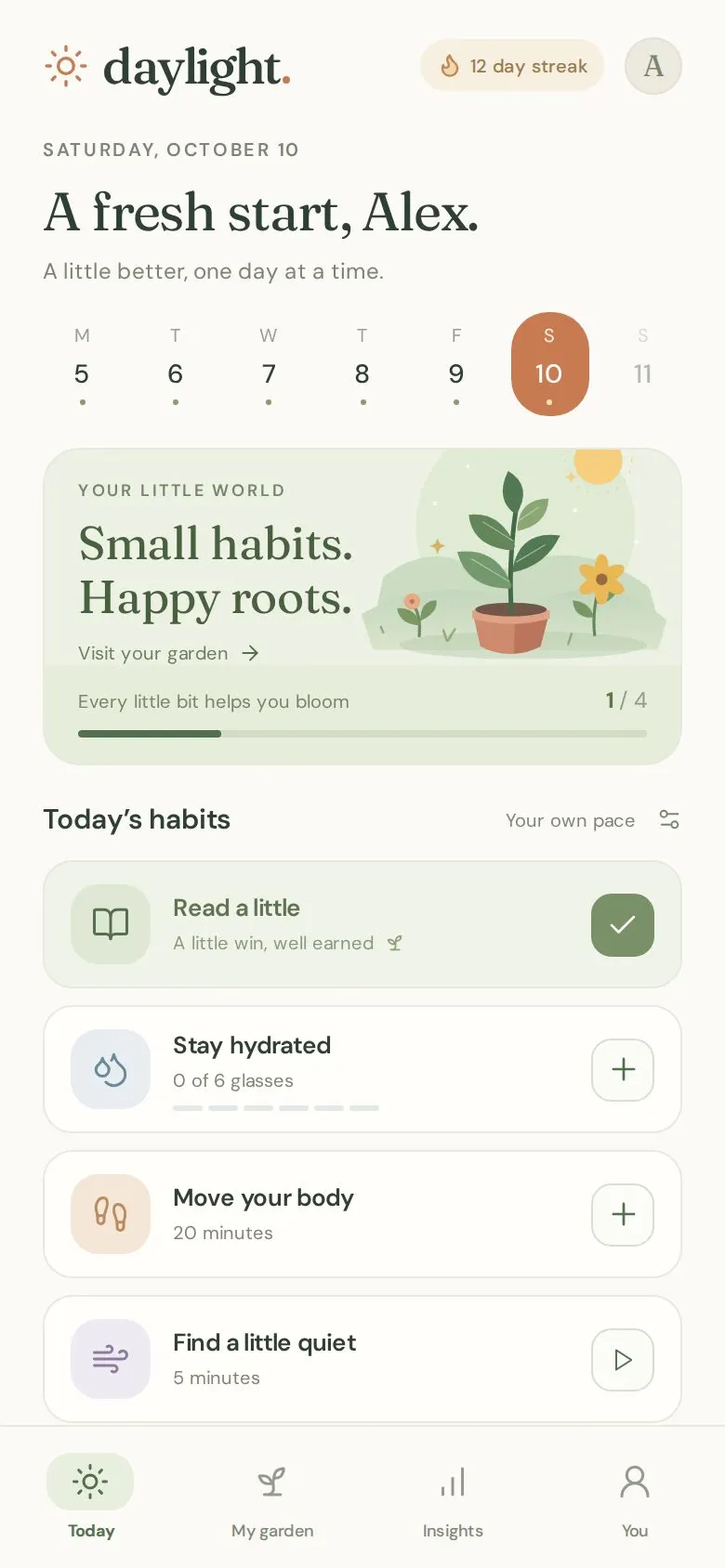
| Claude ProOpus 5.5 | ChatGPT PlusGPT-6.1 Sol | |
|---|---|---|
| Time | 37 min | 18 min |
| 5-hour limit usedClaude Code ran as claude -p, which uses about 1.7 to 1.8 times as much of the 5-hour limit per token as an interactive Claude Code session. | 47% | 7% |
| Same work on the APIat list prices | $8.68 | $0.59 |
| Files in the code | 42 | 24 |
| Lines in the codelockfiles left out | 5,996 | 3,995 |
| npm packages | 17 | 8 |
| Published app size | 1.5 MB | 942 KB |
What did each agent say it built?
The last message each agent wrote when it finished, unedited.
Opus 5.5 Claude Pro
I built Ember, a React Native (Expo SDK 57) habit app. run.json installs, exports the web build and serves it on 127.0.0.1:$PORT. I checked that from a clean clone and drove the main flows in headless Chrome at 390×844 with touch. No console errors came up during those runs, and data survives a page reload. I could only check the web build; it has not been run on a real iOS or Android device.
The concept: your companion is a small animated flame you name yourself. Checking off habits makes it bigger and brighter. Missing days doesn't punish you: kindling (a streak saver you earn every 7 warm days) burns automatically when you miss a day.
- First launch: the flame is asleep until you tap "Wake it up". Then you give your name, pick focus areas, choose 1–3 suggested habits and a reminder time (with a mocked notification permission prompt), and name the flame. It ends with a "hold to promise" button, confetti, and a paywall you can skip with "Continue with free".
- Daily loop (Today tab):
- Companion: the flame talks based on time of day, your progress and recent reminders, and reacts when you tap it.
- Habits: they can be daily, on chosen days, or X times a week, and can count up (e.g. 6 glasses of water). Each check-in gives sparks, a sound and a little burst from the flame. Finishing everything makes a "blazing day" with confetti.
- Catching up: a strip of the last 7 days lets you fill in a day you forgot.
- Extra cards: a quick mood check, a weekly recap and a short daily tip.
- Long-term reasons to come back:
- Journey tab: levels from Spark to Starfire, a month calendar, a 16-week grid per habit and 14 badges.
- Celebrations: at streak milestones, plus a "Welcome back" message after time away.
- Shop: flame colours, accessories and backgrounds bought with sparks. Sparks are earned, never sold.
- Campfire tab: made-up friends whose progress changes through the day, a group challenge, sending warmth (they sometimes send it back), and invite or add-by-code.
- Money (Ember Plus): free covers 3 habits. Plus is $4.99/month, $29.99/year with a 7-day trial, or $59.99 lifetime. It unlocks unlimited habits, insights (best weekdays, how mood tracks with habits), more kindling and premium looks. The paywall shows a plain trial timeline. Buying goes through a simulated store sheet, and restore, manage and cancel all work.
- Store readiness: a custom app icon, Android adaptive icons, splash and favicon. There are also mocked sign-in and sync, data export, sound and haptics toggles, and privacy and terms pages.
For judging: You → Playground has "Fill with 6 weeks of history" to see the app after a month of use, and "Skip to tomorrow" to see day changes, kindling and the welcome-back screen.
Everything that needs a backend (accounts, purchases, friends, sync) is faked inside the app, and data is stored in the browser.
npm packages: @expo-google-fonts/fraunces, @expo-google-fonts/nunito, @expo/metro-runtime, @react-native-async-storage/async-storage, expo, expo-clipboard, expo-font, expo-haptics, expo-status-bar, react, react-dom, react-native, react-native-safe-area-context, react-native-svg, react-native-web, @types/react, typescript
GPT-6.1 Sol ChatGPT Plus
Built Daylight, a React Native habit app with personalized onboarding, daily check-ins, a growing garden, breathing timer, insights, and simulated Plus purchases.
Progress saves locally. run.json builds and serves the web app on $PORT.
Production build and all four phone-sized browser tests pass.
npm packages: react, react-dom, react-native-web, react-native-svg, lucide-react, vite, @vitejs/plugin-react, @playwright/test
What was the prompt?
Both agents got this brief once, followed by the delivery contract that ends every prompt. Download the full prompt (.md)
A habit app for phones
Build a habit app for phones with React Native.
Plenty of habit apps get deleted after a week. Make one people would still open a month later, and one that could go into the app stores tomorrow: the first launch, the daily loop, how it earns money, the small moments that make it feel alive. The concept, the look and the features are yours.
There are no real services. If the app needs a backend (accounts, purchases, friends, sync), fake it inside the app and make up the data.
How we look at it: make run.json build the web version of the app and serve it on $PORT (for example npx expo export -p web plus a small static server). We use it in a browser on a phone-sized screen (390×844, touch).